/)



IASP CEO joins panel on AI and the future of cities at VI RECI Smart City Congress
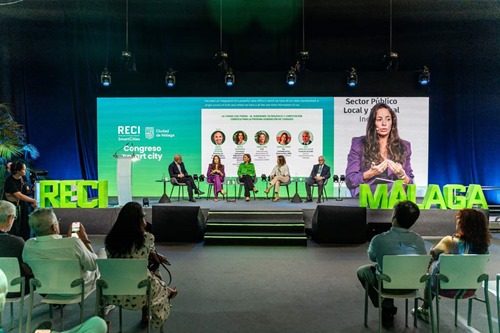
/Panel_discussion-_The_city_that_thinks_AI__technological_sovereignty_and_quantum_computing_for_the_next_generation_of_cities.jpg)
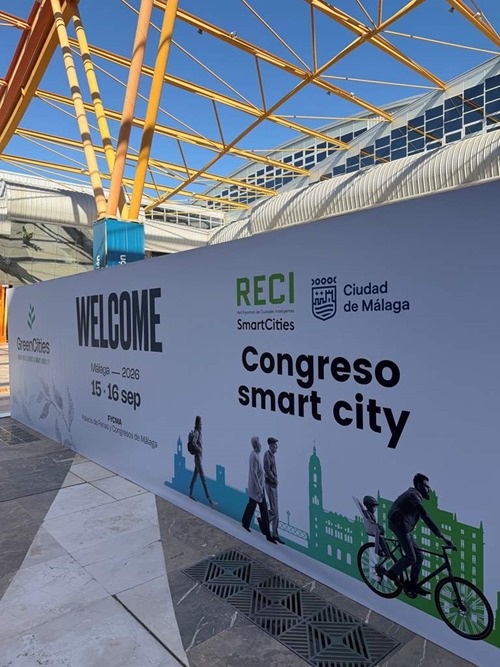
IASP CEO Ebba Lund joined a panel discussion on the technologies shaping the next generation of cities at the VI RECI Smart City Congress, held jointly with Greencities, Urban Intelligence & Smart Mobility 2026 on 1516 September at FYCMA in Málaga, Spain. The congress brought together more than 80 cities and municipalities, over 200 companies and organisations and 115 speakers from 11 countries, creating a board forum for dialogue on urban innovation, sustainable city management and the digital transformation of public services.
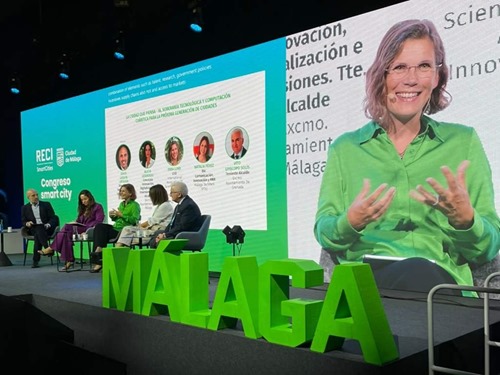
On 16 September, Ebba took part in the panel "The city that thinks: AI, technological sovereignty and quantum computing for the next generation of cities", held at the RECI Urban Arena and moderated by David Luquin (Director of Public Local and Regional Sector, Inetum) gathering perspectives from Alicia Izquierdo (Deputy Mayor and City Councilor for Innovation and Digitalisation, Málaga City Council), Natalia Pérez (Director of Communications, Innovation and Institutional Relations, Málaga TechPark) and Vito Episcopo Solís (Deputy Mayor, Granada City Hall), as well as IASP.
The session examined the technological foundations that cities increasingly need to consider as they develop their digital capabilities, with a focus on artificial intelligence, technological sovereignty, microelectronics and quantum computing. A central thread of the discussion was the growing role of data in urban management. Smart cities depend on data collection, and the more comprehensive and well-structured that data is, the better cities are able to organise services, anticipate needs and respond to challenges. But the conversation has moved on from simply how much data a city produces. The question that now matters is who decides what is done with it and how. Alongside this, panelists highlighted that collaboration and interaction with public administrations will be essential, as will deeper integration and digitalisation across urban systems, if cities are to make meaningful use of the technologies available to them. One of the questions put to the panel looked ahead: how might things change over the next five years? Panelists pointed to the importance of consolidating and strengthening what already exists, noting that building on solid foundations is itself a form of progress. Attracting and retaining international talent also emerged as a priority, not just for cities, but for the innovation ecosystems that support them.
For science and technology parks, innovation districts and other areas of innovation, these conversations are closely connected to the environments in which new technologies are developed, tested and brought into practical use. The role of innovation ecosystems in bridging technological development with the priorities of cities and their communities is one that will only grow in relevance as urban digital transformation accelerates.



/canvascolor(0xffffffff)/2024_06_04_Saudi_Arabai_Wadi_Jeddah.png)
/canvascolor(0xffffffff)/TrentinoSviluppo_orizz_positivo_colori_png.png)
/canvascolor(0xffffffff)/logo_pcb_2.jpg)
/canvascolor(0xffffffff)/logo-oscuro-parque-cientifico-ua.png.png)
/canvascolor(0xffffffff)/MemberLogo-56301-60901.jpg)
/canvascolor(0xffffffff)/BizMaker_payoff__grey_1.png)
/canvascolor(0xffffffff)/logo_46.png)
/canvascolor(0xffffffff)/2023_01_27_Lithuania_Tech_Park_Kaunas.png)
/canvascolor(0xffffffff)/2017_10_25_The_Netherlands_Utrecht_SP.png)
/canvascolor(0xffffffff)/MemberLogo-75801-6122.jpg)
/canvascolor(0xffffffff)/MemberLogo-5545-5950.jpg)
/canvascolor(0xffffffff)/2026_05_28_Sevilla_TechPark.jpg)
/canvascolor(0xffffffff)/2024_09_26_Thailand_Northeastern_2.jpg)
/canvascolor(0xffffffff)/Saigon_Hi-Tech_Park.svg_9.png)
/canvascolor(0xffffffff)/ODTU_TEKNOKENT_logo_2016.png)
/canvascolor(0xffffffff)/dd120b5ee0c001f0c8d2529f233a723f_2.jpg)
/canvascolor(0xffffffff)/PPPT_pion_logo_CMYK_L_(003)_3.jpg)
/canvascolor(0xffffffff)/Asset_21@30x_1.png)
/canvascolor(0xffffffff)/2025_09_16_Sweden_Medeon_SP.png)
/canvascolor(0xffffffff)/2021_03_17_China_Zhongguancun_Science_City.png)
/canvascolor(0xffffffff)/2024_04_04_The_Netherlands_Lindholmen_Science_Park.jpg)
/canvascolor(0xffffffff)/Aj_basa_2014_color-fonsgrisE_2.png)
/canvascolor(0xffffffff)/logo_TROKUT_Å_ibenik_PNG_2.png)
/canvascolor(0xffffffff)/OPENZONE_1.jpg)
/canvascolor(0xffffffff)/MemberLogo-5673-6109.jpg)
