
Title:
Inspiring Solutions
Subtitle:
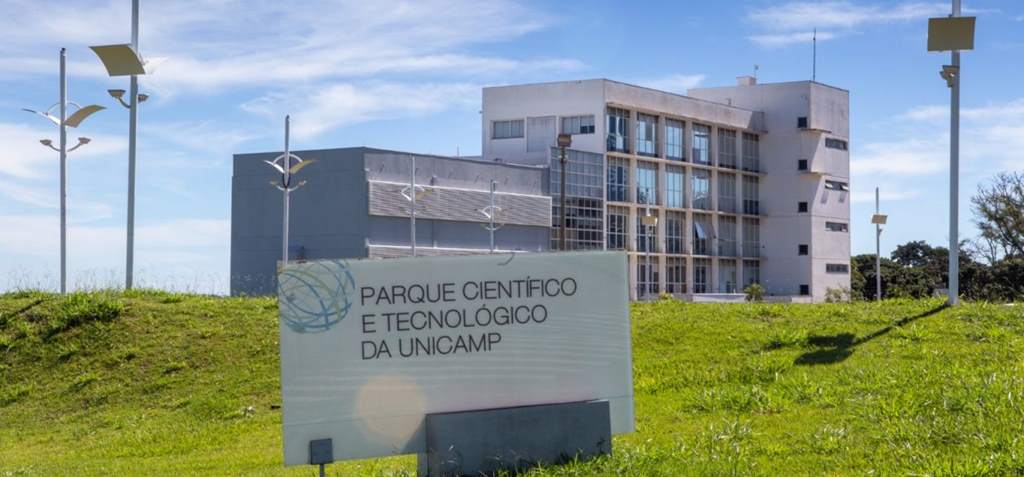
Parque Científico e Tecnológico da Unicamp

By Parque Científico e Tecnológico da Unicamp, Year 2025 Finalist, located in Brazil
Main users: Resident companies or institutions
Launch date:
Describe your solution in 50 words or less
The Unicamp Challenge is a national competition for business modelling based on Unicamp technologies. Teams are tasked with developing a business model for a pre-selected Unicamp technology catalogue. Participants receive workshops in business modelling methodologies, training, and mentorship. The main goal is to stimulate entrepreneurship and innovation.
What is the purpose of your solution
The Venture Studio was established to address gaps in early-stage business support, facilitate industry-academia collaboration, and boost Glasgow's innovation ecosystem. By integrating structured funding, mentorship, and sector-specific challenges, it fosters inclusive entrepreneurship and drives innovation across industries, ensuring sustainable economic growth and global competitiveness for Glasgow.
What is innovative about it
Unlike traditional accelerators, GCID's Venture Studio simultaneously supports multiple businesses through a structured, multi-pillar model. By integrating direct funding with peer collaboration, expert mentorship, and international engagement, it maximises impact while fostering a self-sustaining innovation ecosystem. Its focuses on inclusivity and sector-specific challenges which differentiates it from other support programs.
What impact has your solution had
Since launching in 2024, GCID's Venture Studio has engaged with over 50 businesses, distributing targeted funding to innovation-driven enterprises. It has strengthened Glasgow's space tech and AI sectors, nurtured creative entrepreneurs, and supported underrepresented founders through tailored business development programs. These initiatives have led to increased investment, startup success, and cross-sector collaboration.
Who are the main users
The main users of the Unicamp Challenge are primarily students and young entrepreneurs seeking to turn innovative ideas into viable businesses. The competition attracts participants from various fields, including engineering, information technology, biological sciences, business administration, and design. This diversity of backgrounds contributes to the formation of multidisciplinary teams, which is essential for creating robust and creative solutions.In addition to students, the programme also involves mentors, who are experienced professionals, including academics, entrepreneurs, and investors. These mentors play a crucial role, providing guidance and sharing their experience with teams, helping them develop their ideas and tackle market challenges.Another important group includes educational and research institutions that, by sending their students and promoting participation in the Challenge, strengthen the entrepreneurial culture within their communities. These institutions extend beyond Unicamp, encompassing a wide spectrum of universities and research centres across Brazil, enriching the innovation ecosystem.Finally, the Unicamp Challenge also engages sponsors and partners from the private sector, who seek to identify new investment and innovation opportunities. These stakeholders are essential for the programme's viability, providing resources and logistical support, while also benefiting from the potential innovations that emerge during the competition.Thus, the Unicamp Challenge serves as a meeting point for students, mentors, educational institutions, and the private sector, creating a collaborative network that drives innovation and entrepreneurship in Brazil.
Who runs it
Parque Científico e Tecnológico da Unicamp
For more solutions from IASP member Parque Científico e Tecnológico da Unicamp click here


/canvascolor(0xffffffff)/2022_05_09_Czech_Republic_Technology_Park_Brno_1.png)
/canvascolor(0xffffffff)/2019_11_22_India_IKP.jpg)
/canvascolor(0xffffffff)/David_Johnston_RTP.jpg)
/canvascolor(0xffffffff)/Korea_Innovation_Foundation.png)
/canvascolor(0xffffffff)/2026_05_28_Sevilla_TechPark.jpg)
/canvascolor(0xffffffff)/buildings2.png)
/canvascolor(0xffffffff)/LOGO_TEKNOPARKBEYAZ.png)
/canvascolor(0xffffffff)/2024_04_04_The_Netherlands_Lindholmen_Science_Park.jpg)
/canvascolor(0xffffffff)/2025_11_04_Saudi_Arabia_Dhahran_Techno_Valley.png)
/canvascolor(0xffffffff)/MemberLogo-5740-6195.jpg)
/canvascolor(0xffffffff)/MemberLogo-89401-462801.jpg)
/canvascolor(0xffffffff)/Logo_Novi.JPG)
/canvascolor(0xffffffff)/2017_08_07_Pando.png)
/canvascolor(0xffffffff)/2024_09_26_Thailand_Northeastern_2.jpg)
/canvascolor(0xffffffff)/2017_06_08_Panama_Ciudad_del_saber.png)
/canvascolor(0xffffffff)/V_CLR_1_1.png)
/canvascolor(0xffffffff)/logo2024TV.png)
/canvascolor(0xffffffff)/2017_11_21_UK_Univ_of_Warwick_SP.jpg)
/canvascolor(0xffffffff)/2017_11_13_Spain_Tecnocampus_3.jpg)
/canvascolor(0xffffffff)/International_STP_Turkmenistan.png)
/canvascolor(0xffffffff)/HiRes_logo_transparent.png)
/canvascolor(0xffffffff)/PSP_Logo-mit-Schriftzug_1.jpg)
/canvascolor(0xffffffff)/MemberLogo-5779-6245.jpg)
/canvascolor(0xffffffff)/MemberLogo-36401-6008.png)
/canvascolor(0xffffffff)/11_36.png)
